The verses that inspired “The Edge of Goodness” the poem (and later became the name for my book) were from Psalm 106:
”They despised the pleasant land and did not believe his promise. They grumbled in their tents and did not listen to the Lord.“
Psalms 106:24-25 CSB
Despising pleasant places sounded strange and intriguing, but grabbed my attention mostly because it was something that I had found myself doing (and sometimes still do). It was evident through things as simple as how I didn’t know how to accept a compliment to how I accused people (to their face or in my mind) of harmful intent when they showed kindness to me. It may or may not have involved throwing my phone across the car when I received a kind text. It certainly involved feeling guilt and discomfort about resting and simply enjoying pleasant things.
I know I’m not alone in feeling uncomfortable by outpouring of kindness and pleasant things. I remember having a conversation with an acquaintance about how she’d rather have sarcastic or even negative comments made toward her than deal with the discomfort of compliments.
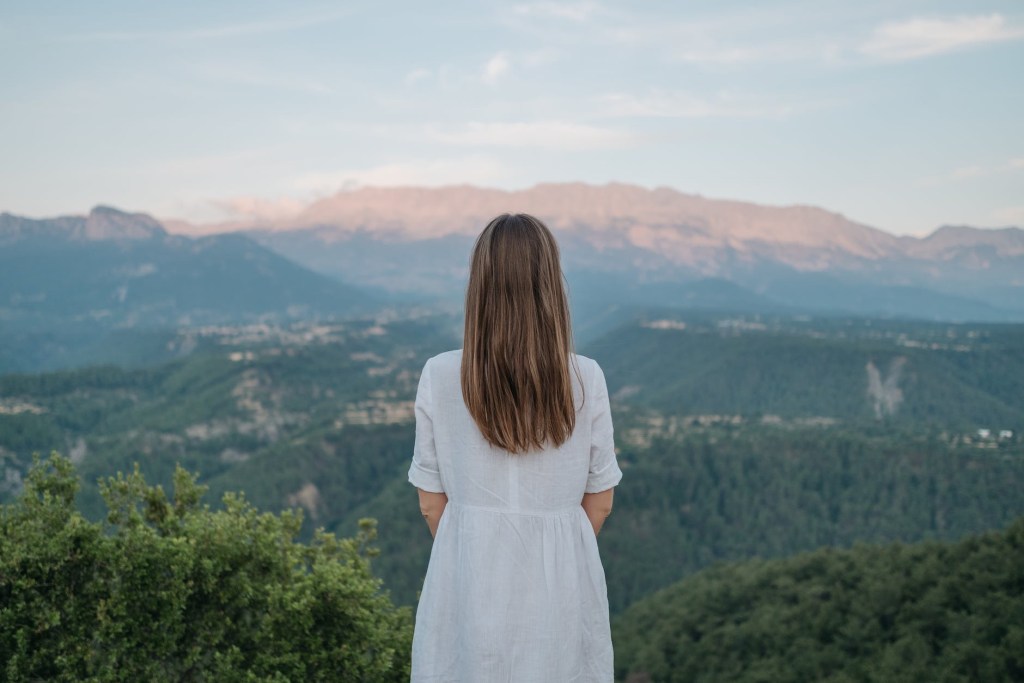
And that’s how I found myself standing at the edge of pleasant places, longing for good things yet afraid of entering. I was struggling in relationships as I found trust a hard practice to actually implement. I wrestled with taking the head knowledge of God’s goodness and resting in His goodness toward me.
Looking back, I see God and other’s patience toward me. God was patient with the Israelites too. He didn’t make the Israelites immediately enter the promised land and face the Canaanite giants. He didn’t destroy the Israelites right then and there because they didn’t trust Him. He made them wander in the wilderness. And God was with them.
It can be a long, ongoing process to be ready to enter pleasant places. I think steady, patient exposure to God and His goodness (often through His people) has begun to build up my ability to actually enter and enjoy pleasant things.
Enjoying good things might sound like an odd thing to have to learn, but I think, maybe, it gives us the capacity to hope for a better promised land.
We are made for pleasant places.

 The Worth Of Knowing
Leave a comment